AkiMed™
Designed to degrade.
Engineered to repair what is lost.
Akira Science develops programmable and bioresorbable biomaterials for soft tissue repair.
AkiMed™ is designed to provide temporary structural support, guide the healing process and safely resorb over time, promoting natural tissue healing.

Contact Us //
Get in touch
Investor inquiries, research partnerships, or general questions — we'd love to hear from you.
Message sent!
We'll be in touch shortly at the email you provided.
01 — THE PROBLEM
For over 70 years, soft tissue repair has relied on the same limited biomaterials.
First generation of absorbable biomaterials earned their place in medicine through sutures, drug delivery and bone repair. Then, the same materials were repurposed into soft tissue, and the mismatch began. Soft tissue has different requirements: it flexes, moves and heals on its own time. Dissolve too soon, and you abandon healing tissue at its most vulnerable. Stay too long, and the body never stops reacting. Soft tissue does not need stronger materials. It needs smarter ones, designed from the start for how soft tissue actually works.
Legacy Polymers vs. AkiMed™
We started
differently.
Built from first principles
Chemistry, biology &
mechanical performance
Biocompatibility risk
Legacy lactide-based materials degrade into acidic by-products, potentially contributing to inflammation and pain.
Built for pliability & safety
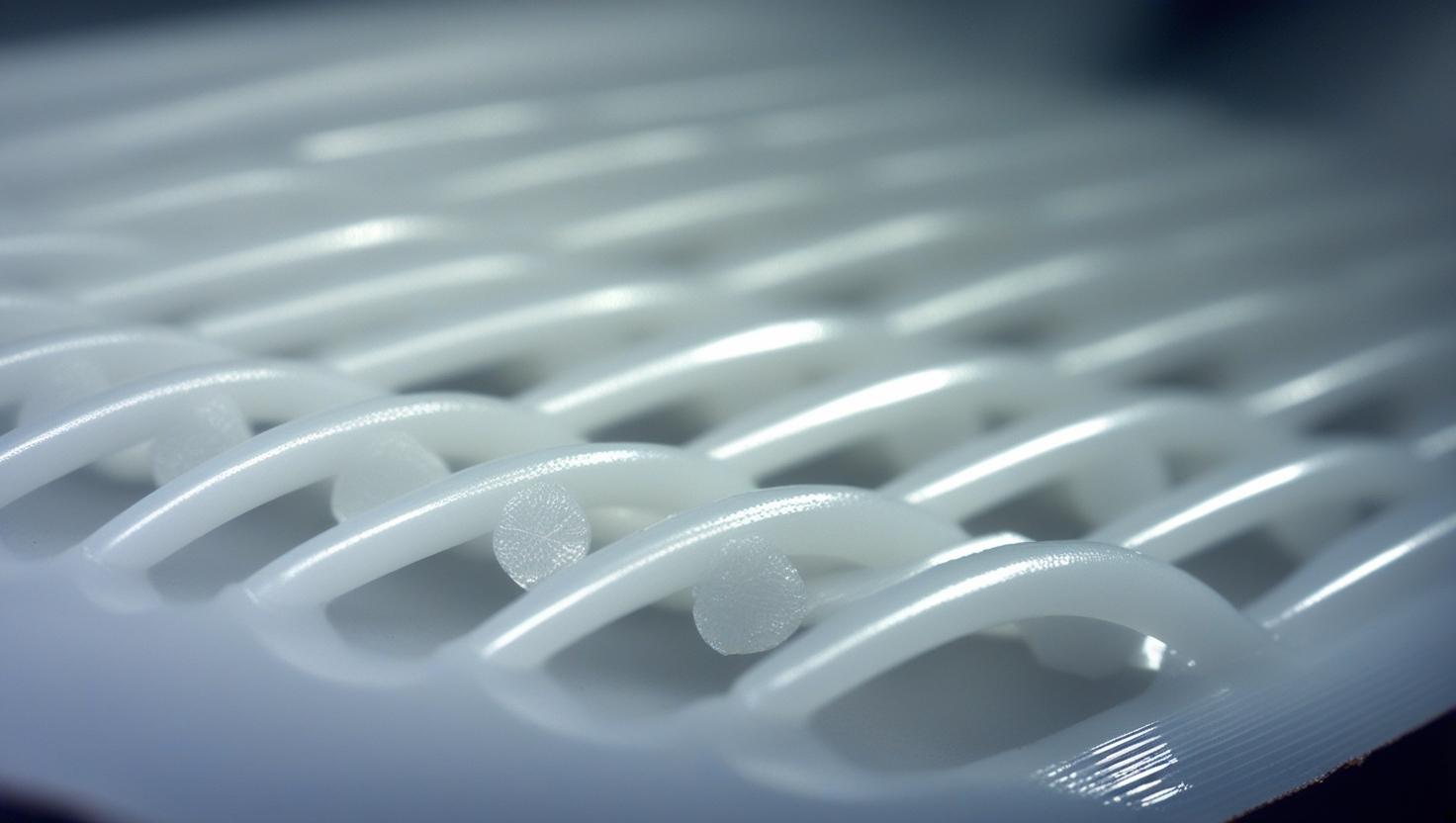
Porous scaffold architectures designed to provide temporary structure while respecting the mechanical environment of soft tissue.
> 48 months degradation
Materials lose support too early or stay too long. PCL, for example, takes more than 4 years to resorb out of sync with soft-tissue repair timelines.
6–24 months
We design materials around different repair timelines, not the fixed behavior of off-the-shelf polymers. The material degrades safely without harmful by-products.
Manufacturing limitations
Legacy biomaterials degrade while 3D-printing since they were not designed for it, limiting the design space for soft, patient-relevant architectures.
3D-printable and processable
Compatible with advanced and conventional polymer processing. A platform built for translation from polymer to implant which is stable up to 300 °C
Limited tissue integration
Legacy biomaterials are rigid, lack strength, and in most cases are unable to match the modulus of host tissue.
AkiMed™ tissue mimic
AkiMed is soft and flexible. Our technology combines novel chemistry with tissue-like architecture to mimic the mechanics of soft tissue.
A bioresorbable platform engineered specifically for the biological and mechanical window of soft tissue.
Two divisions.
One mission.
AkiMed™ is the foundation — a new class of biomaterial designed to restore what is lost. Our devices are how we deliver it to patients.
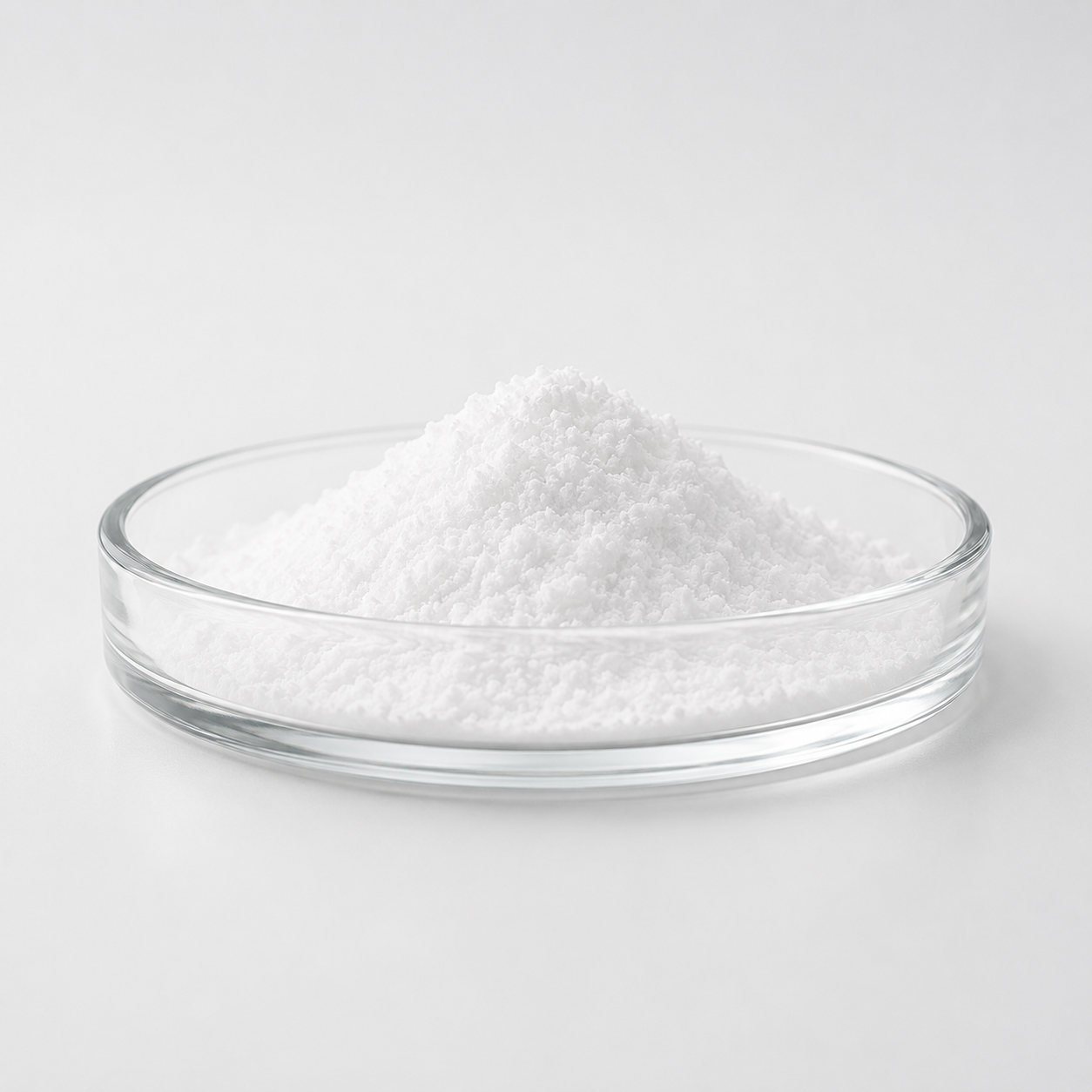
Available NowAkiMed™ Biomaterial
- Pellets
- Filament thermal stable >300 °C for 3D printing (1.75 mm)
- Microspheres
- 3D scaffolds
In Preclinical DevelopmentAkiMed™ Breast Scaffold
- First indication: Reconstruction after lumpectomy surgery
- Designed to preserve breast shape and volume
- Scaffold microstructure enables tissue integration and vascularization
In Preclinical DevelopmentAkiMed™ Beyond Breast
- Potential use across human and animal applications
- Tailored properties from molecular level to final product
- Market entry points: injectable fillers, wound care, drug release, resorbable surgical devices

After cancer.
You deserve more
than surviving.
Three million women a year are diagnosed with breast cancer. Most survive thanks to early detection. Few are made whole again.
Existing reconstruction options were never designed for soft tissue — they were repurposed from sutures and orthopedic implants. The result is painful, multi-surgery procedures most patients can't access, leaving 91% with no option at all.
We are building the first family of bioresorbable biomaterials engineered specifically for soft-tissue regeneration. One implant, placed during the surgery the patient is already having, that guides her body to heal itself — then disappears.
3M
Women diagnosed with breast cancer annually
WHO · GLOBOCAN 2024
91%
Lumpectomy patients who receive no reconstruction
J. SURGICAL ONCOLOGY, 2020
2M
Lumpectomies performed worldwide each year
ISAPS · BCRF · ACS
1.8M
Addressable patients per year — our market
INTERNAL MODEL
“I survived cancer. I just wanted to recognize myself in the mirror again.”
A story behind every statistic
This is Emma.
47 years old. Two children. Six months ago, she had a lumpectomy that removed a tumor the size of a nut.
But Emma didn’t deserve to just survive. She wanted to feel whole again and to look in the mirror and recognize herself. Her surgeon offered two options: live with the deformity or undergo a complex reconstruction that would harvest tissue from her abdomen.
Three surgeries later, her abdomen carries a scar larger than the one on her breast. She survived cancer. The system just didn’t give her a better choice.
THE SOLUTION //
Placed once.
Guides tissue.
Then disappears.
THE TRACTION
Validated by science.
Backed by clinicians.
Three granted patents. Seven peer-reviewed papers. Active EIC Pathfinder grant. Five signed LOIs and clinical interest from leaders at Columbia, Karolinska, Montefiore Einstein and beyond.
Three products.
Two timelines.
One platform.
AkiMed™ Biomaterial is in the market for research now. AkiMed™ Breast is targeting First-in-Human in 2028.
The people building this.
A founder team of three PhDs and one MBA, two of them women, building in women's health — a category traditional venture has systematically underfunded.


Advisory Board